

Table of Contents
ToggleImagine stepping into a world where shopping feels more like a thrilling adventure than a mundane chore. Welcome to the realm of virtual reality stores, where customers can browse aisles without ever leaving their couch. It’s like having a shopping mall in your living room—minus the overpriced pretzels and awkward small talk with strangers.
Overview of Virtual Reality Stores
Virtual reality stores represent a significant evolution in shopping experiences. They provide immersive environments where users can explore products without leaving home.
What Is a Virtual Reality Store?
A virtual reality store simulates traditional retail, offering users a digital marketplace. These stores allow users to browse, interact with, and purchase products using VR headsets. Users can view items in 3D, making the shopping experience more engaging. Retailers create these environments to attract customers, providing a unique blend of convenience and entertainment. Many virtual reality stores also integrate social features, enabling interaction among users.
How Virtual Reality Stores Work
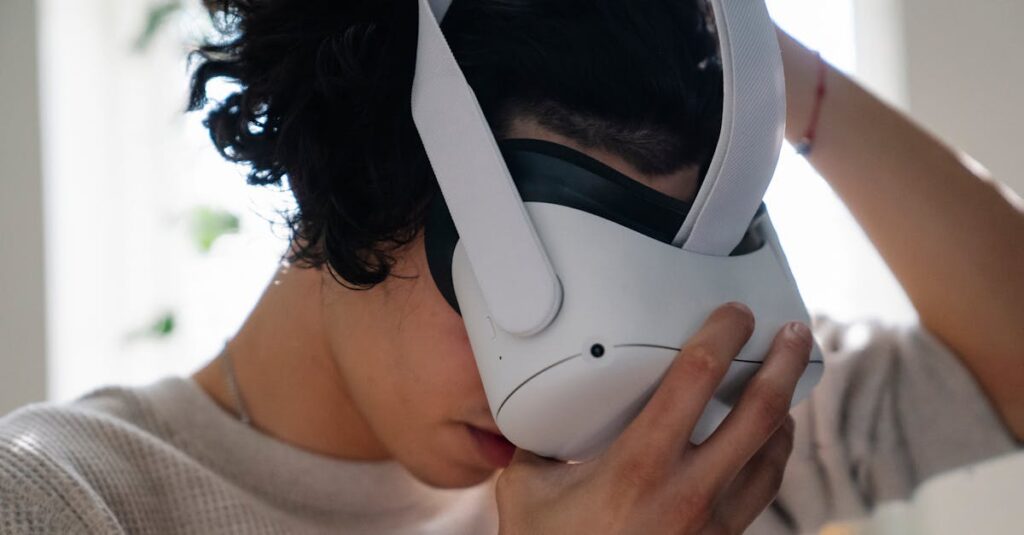
Virtual reality stores operate through advanced technologies, including VR headsets and software. Users wear headsets that transport them into a digital shopping environment. Audio and visual elements enhance the experience, allowing users to navigate aisles, pick up items, and try on products virtually. By utilizing realistic graphics, retailers create inviting spaces to simulate physical stores. Integration with e-commerce platforms ensures secure transactions. With responsive controls, users can easily interact with objects and make purchases. Data tracking can personalize shopping experiences based on user behavior.
Benefits of Shopping in a Virtual Reality Store
Shopping in a virtual reality store offers unique benefits that enhance the overall experience.
Immersive Experience
Virtual reality stores provide an immersive experience that traditional shopping cannot match. Users interact with products in a three-dimensional space, creating a sense of presence. Engaging visuals and realistic audio contribute to a lifelike shopping environment. Customers can see and handle items as if they were physically in a store. This simulation helps them make informed purchasing decisions by examining details closely. Retailers leverage this technology to attract shoppers, turning mundane browsing into an exciting adventure.
Convenience and Accessibility
Convenience ranks high among the advantages of virtual reality shopping. Shoppers access a vast range of products from the comfort of their homes without the need to travel. Operating hours are flexible, allowing purchases at any time. Accessibility benefits those with mobility challenges, enabling them to explore stores without physical limitations. Additionally, integration with e-commerce platforms streamlines transactions, ensuring security and quick checkouts. For those who prefer shopping at their own pace, virtual reality simplifies the process, eliminating long lines and crowded aisles.
Popular Virtual Reality Stores
Various virtual reality stores have emerged, transforming the shopping landscape. These platforms offer users unique experiences through innovative technology.
Major Players in the Market
Oculus Store stands out as a leader in the virtual reality market, providing a broad range of VR content from games to applications. SteamVR also claims a significant share, offering extensive access to titles designed for various VR headsets. Another notable contender is Viveport, which focuses on subscription-based access, allowing users to explore multiple experiences. Finally, Amazon VR has entered the space, connecting users with products through a familiar e-commerce interface.
Unique Features of Each Store
Oculus Store offers seamless integration with Oculus devices, enhancing user experience with tailored content. SteamVR excels in its vast library, ensuring that gamers find countless titles while supporting multiple headset brands. Viveport distinguishes itself with a subscription service, granting users unlimited access to select apps and games. Amazon VR innovates with a user-friendly shopping interface, linking virtual exploration directly to real-world product purchases. Each store caters to different preferences, creating a diverse virtual shopping environment.
Challenges Facing Virtual Reality Stores
Virtual reality stores face several challenges that can impact their growth and consumer engagement. These obstacles primarily stem from technological limitations and customer adoption issues.
Technological Limitations
Limited hardware capabilities hinder the functionality of virtual reality stores. Many consumers lack access to high-performance VR headsets, which restricts their ability to experience these digital environments fully. Compatibility with various devices presents another challenge, as not every headset works seamlessly with all virtual storefronts. Additionally, high development costs for creating immersive shopping experiences can impede the entry of new retailers into the market. Issues related to latency and graphics can also detract from user experiences, leading to dissatisfaction and reduced interest in virtual shopping.
Customer Adoption Issues
Customer adoption remains a significant hurdle for virtual reality stores. Some potential users demonstrate skepticism toward VR technology, finding it intimidating or overwhelming. Familiarity with traditional shopping methods often leads to resistance against trying something new. Concerns about privacy and data security further deter individuals from engaging with virtual platforms. Limited awareness of available products and services in VR environments can stifle interest as well. Many consumers need more education on benefits and functionalities to embrace the shift toward virtual shopping.
Future Trends in Virtual Reality Shopping
Virtual reality shopping continues to evolve rapidly. Emerging technologies promise to reshape the way consumers interact with virtual stores.
Innovations on the Horizon
Artificial intelligence integration will enhance personalized shopping experiences. Retailers can use AI algorithms to analyze user preferences and suggest products accordingly. Additionally, augmented reality features may allow shoppers to visualize products within their own spaces. These innovations aim to create a seamless blend of digital and physical dimensions. Other advancements include haptic feedback technology, which provides tactile sensations when interacting with virtual items. Improved VR headsets will also feature higher resolution and improved comfort, making prolonged shopping sessions more enjoyable.
Predictions for the Industry
Experts predict significant growth in the virtual reality shopping sector over the next five years. Statista forecasts the global VR market will reach approximately $44.7 billion by 2024. Enhanced consumer adoption driven by more affordable and accessible technology will contribute to this growth. A strong emphasis on omnichannel retailing will emerge as retailers integrate VR experiences with traditional shopping. Additionally, collaborations between popular brands and VR developers could lead to more immersive experiences. Businesses may explore virtual showrooms, enabling customers to experience products in engaging new ways.
Virtual reality stores are redefining the shopping experience by merging convenience with immersive technology. As consumers become more accustomed to digital interactions, these virtual environments offer a unique way to explore products and make informed purchases from home.
Despite the challenges that exist, the potential for growth in this sector is significant. With advancements in technology and increasing consumer interest, virtual reality shopping is poised to become a staple in modern retail. The future holds exciting possibilities as retailers continue to innovate, making virtual shopping not just a trend but an integral part of how people shop.


