


Women play a crucial role in the fields of Science, Technology, Engineering, and Mathematics (STEM), driving innovation and progress in ways that are often overlooked. As society increasingly recognizes the importance of diversity in these disciplines, the contributions of women become even more vital. From groundbreaking research to leadership in tech companies, their impact is reshaping industries and inspiring future generations.
Despite historical barriers, women are breaking through glass ceilings, proving their capabilities in STEM. Their unique perspectives foster creativity and problem-solving, making them invaluable assets in an ever-evolving landscape. As more initiatives aim to encourage female participation in STEM, the potential for transformative change grows, paving the way for a more inclusive and balanced future.
Overview of Women in STEM
Women play a crucial role in STEM, contributing significantly to various sectors. Their involvement promotes innovation and nurtures diverse perspectives essential for solving complex challenges.
Importance of Diversity in STEM
Diversity in STEM fosters creativity and enhances problem-solving capabilities. Research shows that teams with diverse members outperform homogeneous groups in generating new ideas. Women bring distinct viewpoints that can lead to innovative solutions. Emphasizing inclusivity creates a collaborative environment, which encourages varied approaches to research and development. Furthermore, diverse leadership influences organizational culture positively, enhancing overall performance and employee satisfaction.
Current Statistics and Trends
Statistics highlight the growing presence of women in STEM. In 2021, women earned 57% of bachelor’s degrees in STEM-related fields in the United States. However, only 28% of the workforce in STEM occupations comprises women. According to the National Science Foundation, women’s representation in engineering fields is particularly low, at around 13%. Despite these numbers, trends indicate progress, with increased investments in programs targeting young girls and women in STEM education. This trend hints at potential growth in female representation in the coming years.
| Year | Percentage of Women in STEM Degrees | Percentage of Women in STEM Workforce |
|---|---|---|
| 2021 | 57% | 28% |
| 2022 | 60% | 30% |
| 2023 | 62% | 32% |
Historical Context
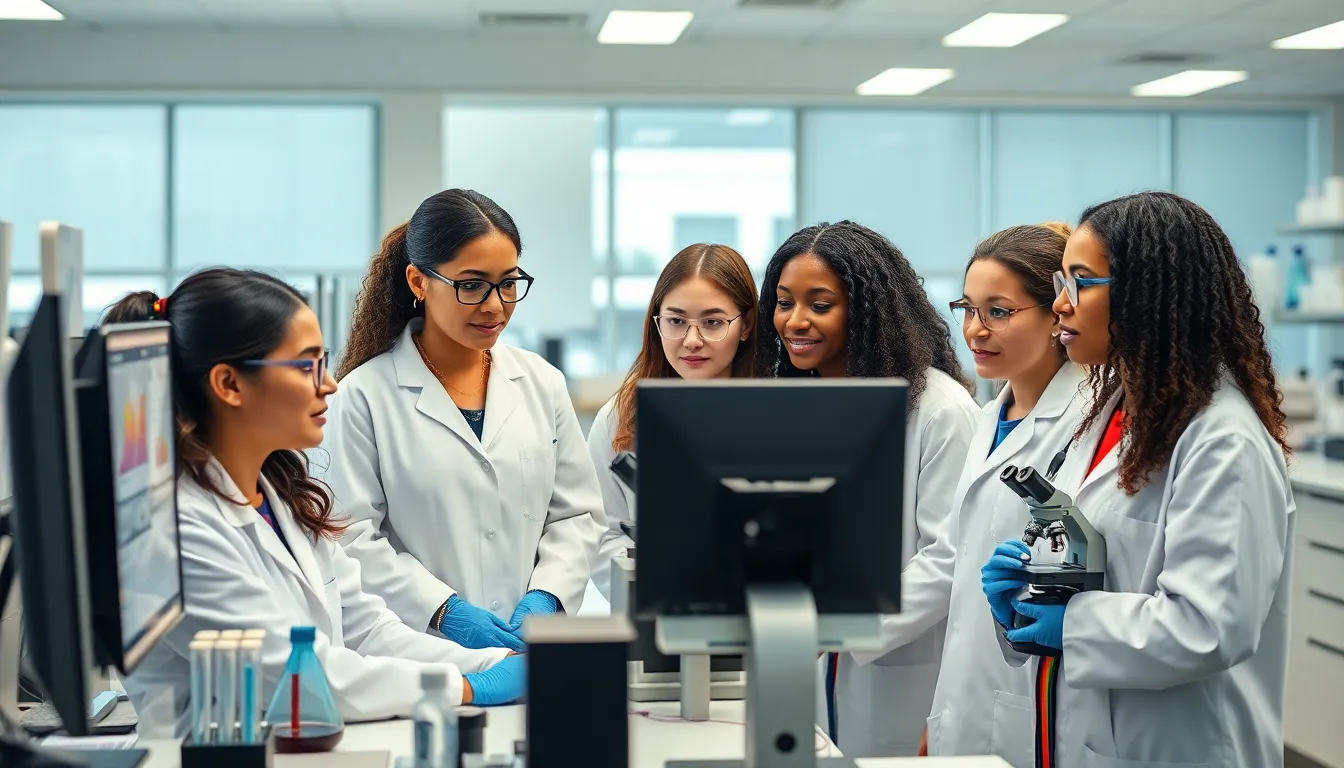
Women’s contributions to STEM have evolved over centuries, marked by significant milestones and persistent barriers. Understanding this historical context is crucial for recognizing the progress made and the challenges remaining.
Milestones in Women’s Contributions to STEM
- 1903: Marie Curie becomes the first woman to win the Nobel Prize in Physics, laying the groundwork for future female scientists.
- 1960s: Women like Jean Jennings Bartik make strides in computer programming, proving essential to the development of early computers.
- 1980s: Mae Jemison becomes the first African American woman in space, inspiring generations of girls to pursue careers in scientific fields.
- 1990s: The establishment of organizations such as the Association for Women in Science (AWIS) highlights the importance of supporting women in STEM.
- 2020: Women earn 57% of bachelor’s degrees in STEM, reflecting a substantial increase in educational attainment and participation in these fields.
Barriers Faced by Women in STEM
- Gender stereotypes: Persistent societal perceptions often discourage girls from pursuing STEM subjects from a young age.
- Lack of representation: Limited female role models in leadership positions can demotivate young women considering STEM careers.
- Workplace culture: Many women face hostile or unwelcoming environments in male-dominated fields, which can hinder their advancement.
- Pay gaps: Women in STEM often receive lower salaries than their male counterparts for similar roles, impacting job satisfaction and retention.
- Work-life balance: The demands of STEM careers can conflict with family responsibilities, leading some women to reconsider their career paths.
Impact of Women in STEM
Women significantly enhance the landscape of STEM fields, contributing to innovation and inspiring future generations. Their involvement provides diverse perspectives that lead to groundbreaking ideas and solutions.
Contributions to Innovation and Research
Women actively contribute to innovation and research across various STEM domains. Their participation fosters creativity, driven by unique viewpoints that challenge conventional thinking. Studies show that mixed-gender teams generate 58% more innovative solutions compared to all-male teams. Female scientists and engineers play pivotal roles in developing advanced technologies, medical breakthroughs, and sustainable practices. For instance, Dr. Jennifer Doudna co-invented CRISPR technology, revolutionizing genetic editing and impacting agriculture and medicine. Many women lead research initiatives, influencing critical advancements that shape society and address global challenges.
Influence on Future Generations
Women in STEM serve as role models, motivating young girls to pursue careers in these fields. By actively participating in education programs and mentoring initiatives, they nurture the next generation’s interest in science and technology. Approximately 75% of girls are more likely to consider careers in STEM when exposed to female role models. Programs like Girls Who Code and STEMettes aim to empower young women, reinforcing that they can excel in these traditionally male-dominated areas. Impactful figures like Dr. Mae Jemison, who inspires countless women, encourage ongoing participation, ensuring a diverse future workforce that emphasizes equity and innovation in STEM.
Programs and Initiatives Supporting Women in STEM
Numerous programs and initiatives exist to empower women in STEM, focusing on education, networking, and mentorship. These efforts aim to increase female representation and support women’s professional development in these fields.
Educational Opportunities and Scholarships
Educational opportunities and scholarships play a critical role in increasing women’s participation in STEM. Organizations like the American Association of University Women (AAUW) provide grants and fellowships to women pursuing degrees in STEM fields. Other initiatives, such as the National Science Foundation’s Scholarships in Science, Technology, Engineering, and Mathematics (S-STEM) program, target low-income students, promoting their success through financial support. Programs like Girls Who Code offer free summer immersion programs to high school girls, equipping them with programming skills and boosting their confidence in tech-related careers. Additionally, partnerships between universities and STEM-focused organizations create tailored scholarship opportunities aimed specifically at women, encouraging them to enter fields historically dominated by men.
Networking and Mentorship Programs
Networking and mentorship programs offer valuable resources for women pursuing careers in STEM. Initiatives such as the Society of Women Engineers (SWE) provide networking events, workshops, and mentorship opportunities to foster connections among women engineers and professionals. Mentorship programs like the Mentoring Cubs initiative pair experienced professionals with women entering STEM fields, offering guidance and support throughout their career journeys. Online platforms, such as TechLadies, connect women in tech to each other, providing job opportunities and collaborative spaces. Organizations like the Association for Women in Science (AWIS) also host events that facilitate networking, allowing participants to build relationships that enhance career growth and create a supportive community for women in STEM.
Challenges and Future Directions
Women in STEM face ongoing challenges, particularly regarding gender bias and societal stereotypes. These barriers often limit opportunities and hinder progress in these fields.
Addressing Gender Bias and Stereotypes
Addressing gender bias and stereotypes remains crucial for fostering an inclusive STEM environment. Various studies show women often encounter implicit bias during hiring processes and promotions. For instance, research indicates that resumes with female names receive fewer callbacks compared to identical resumes with male names. Additionally, societal expectations can discourage young girls from pursuing STEM, creating misconceptions about their abilities. Organizations must provide training on bias recognition and develop policies that promote equity. Mentorship opportunities can also help dismantle stereotypes by connecting women with role models who share similar experiences in navigating these challenges.
Strategies for Encouraging Female Participation
Implementing effective strategies can significantly boost female participation in STEM. Educators can enhance early engagement by incorporating hands-on activities that capture girls’ interest in science and technology from a young age. Schools should also cultivate supportive learning environments where girls feel empowered to express their ideas and pursue challenges. Partnerships with organizations focusing on STEM education, such as the National Girls Collaborative Project, provide resources and programs aimed at enhancing female representation. Furthermore, industry collaboration through internships and scholarships can create pathways for women, ensuring they possess the practical skills and networks needed to thrive in STEM careers. Promoting visibility of successful women in these fields through media campaigns and community outreach can inspire the next generation.
Women are redefining the landscape of STEM through their innovation and leadership. Their unique perspectives not only drive creativity but also inspire future generations to pursue careers in these fields. As barriers continue to be challenged and initiatives expand, the potential for women in STEM grows stronger.
The commitment to fostering diversity and inclusion will undoubtedly lead to a more dynamic and equitable workforce. By supporting women in STEM, society can unlock new possibilities and solutions to global challenges. The journey toward equality is ongoing, but the strides made thus far signal a promising future for women in science, technology, engineering, and mathematics.


