


Imagine playing your favorite video game and feeling every explosion and rumble in the palm of your hand. That’s the magic of haptic feedback. This technology transforms mundane interactions into immersive experiences, making users feel like they’re part of the action. Whether it’s a gentle nudge when you receive a notification or a powerful rumble during an intense gaming session, haptic feedback adds a whole new dimension to our digital lives.
Overview of Haptic Feedback
Haptic feedback enhances user experiences by delivering tactile sensations during digital interactions. It plays a crucial role in creating a more immersive environment.
Definition and Importance
Haptic feedback refers to technology that uses vibrations or motions to simulate the sense of touch. Developers utilize this technology in devices like smartphones and game controllers to provide users with critical information through tactile responses. The significance of haptic feedback lies in its ability to bridge the gap between virtual actions and real-world sensations. Enhancing user engagement, it allows users to feel actions like button presses or environmental changes in a virtual world. This reality contributes to a richer, more intuitive interaction, fostering a deeper connection and increasing user satisfaction.
Historical Development
The roots of haptic feedback trace back to the 1960s with the advent of early robotic technologies. Engineers began to experiment with creating tactile sensations to improve human-robot interaction. By the 1990s, advancements in electronics led to the incorporation of haptic technology in gaming. The Sony PlayStation controller introduced vibration feedback, revolutionizing the gaming experience. Since then, many devices have integrated this technology, evolving to provide more nuanced sensations. Current trends include the development of wearable devices that use haptic feedback to enhance experiences in various fields such as virtual reality and mobile applications. This evolution demonstrates the growing importance of tactile feedback in interactive technology.
Types of Haptic Feedback
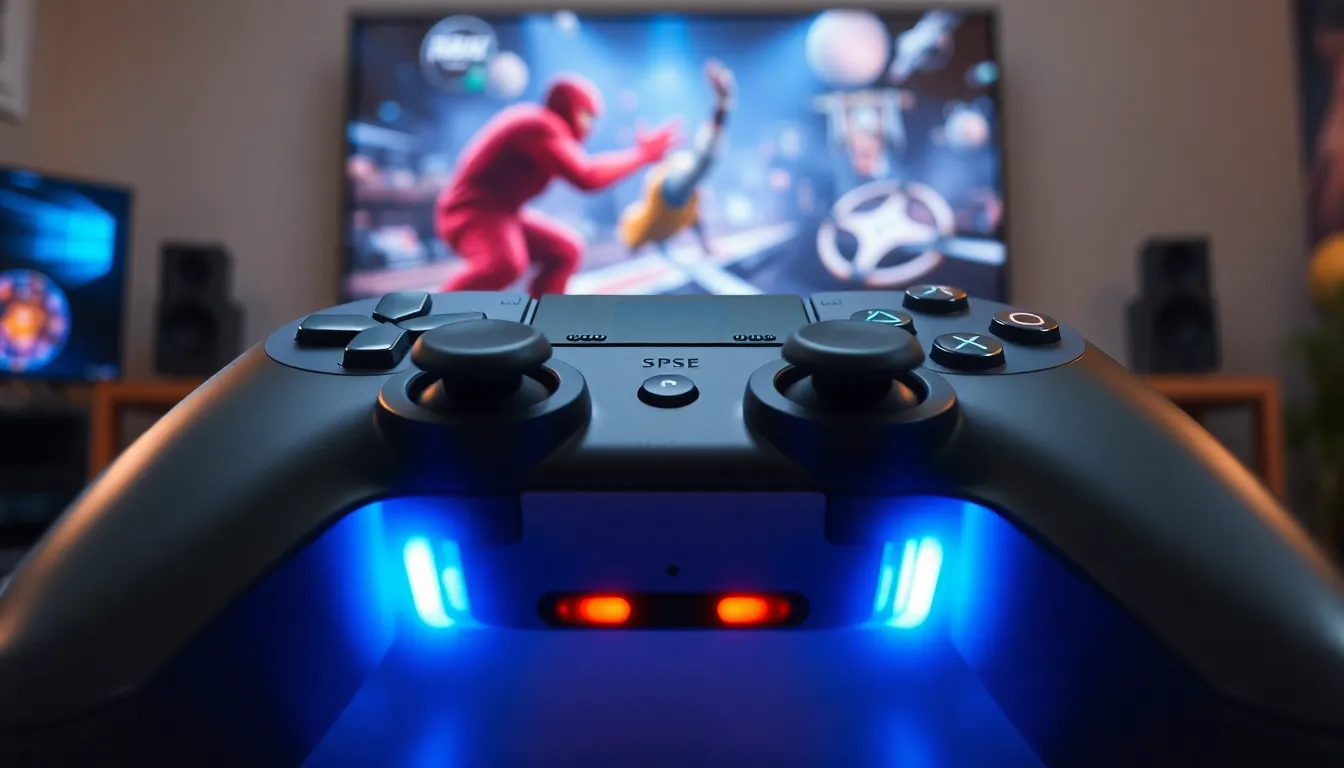
Different types of haptic feedback technology enhance user experiences in various applications. Two primary forms include vibration feedback and force feedback.
Vibration Feedback
Devices commonly use vibration feedback to simulate tactile sensations. Small motors create vibrations in response to digital actions, such as notifications or button presses. Users can feel these vibrations in their smartphones, tablets, and gaming controllers. This type of feedback often enhances user engagement by providing instant physical responses during interactions. Specific examples include the rumble feature in video game controllers and alert vibrations on mobile devices. Vibration feedback serves to connect users more closely to digital experiences, adding depth to mundane interactions.
Force Feedback
Force feedback differs by actively resisting user input. This technology integrates motors to create sensations of weight or resistance, making interactions more realistic. For example, racing simulators or flight simulators use force feedback to mimic the experience of driving or flying. Users feel resistance when steering or controlling flight dynamics, leading to a more immersive environment. This type of feedback enhances the realism of virtual experiences and aids in skill development in various applications, including simulations and gaming. In summary, force feedback provides a more natural interaction, allowing users to achieve a deeper connection with digital environments.
Applications of Haptic Feedback
Haptic feedback permeates various industries, enhancing user experiences through tactile sensations.
Gaming and Entertainment
In gaming and entertainment, haptic feedback creates immersive environments. Gamers feel explosions, gunfire, or environmental changes, enhancing emotional connections to gameplay. This technology boosts engagement significantly, making virtual interactions feel realistic. Devices like gaming controllers and VR headsets utilize advanced vibration mechanisms to simulate sensations accurately. Games designed with haptic feedback in mind often earn higher user satisfaction ratings, showcasing the importance of tactile responses in maintaining player interest.
Medical Simulations
Medical simulations utilize haptic feedback for training purposes. Surgeons and medical professionals practice techniques on simulators that replicate real-life procedures. These systems provide tactile sensations, offering realistic resistance or feedback during operations. Such training enhances skill development and confidence, essential for high-stakes healthcare environments. Studies have shown that incorporating haptic feedback in training modules improves retention and understanding of surgical procedures.
Consumer Electronics
In consumer electronics, haptic feedback enhances user interfaces across devices. Smartphones, tablets, and wearables create vibrations to indicate notifications or touch responses. This tactile feedback improves user interactions, making touchscreens more intuitive. Additionally, home appliances incorporate haptic technology for notifications or settings adjustments, allowing users to receive feedback without visual cues. Overall, consumer electronics leveraging haptic feedback increase usability, providing a more satisfying user experience.
Benefits and Challenges
Haptic feedback offers significant advantages while presenting certain challenges. Understanding both aspects reveals its impact on various applications.
Enhancements in User Experience
Haptic feedback improves user experiences significantly by providing realistic sensations. Users benefit from more immersive environments in gaming, where they feel the dynamics of actions. Medical training simulations utilize tactile sensations, enabling professionals to practice critical procedures effectively. Smartphones and wearables employ haptic feedback to give users immediate responses to interactions. Each sensation strengthens user engagement and satisfaction, leading to meaningful interactions with technology.
Technical Limitations and Considerations
Technical limitations affect the implementation of haptic feedback technology. Devices may not support advanced features due to hardware constraints, leading to inconsistent experiences. Battery life can also be a concern, as strong vibrations may consume more power. Developers must consider compatibility with existing systems to ensure seamless integration. Given these factors, balancing performance with practical usability remains crucial in haptic feedback applications.
Future Trends in Haptic Feedback
Haptic feedback technology is rapidly evolving, promising to enhance user experiences across various fields. Emerging trends highlight significant advancements in this realm.
Emerging Technologies
Advanced technologies are reshaping haptic feedback. Researchers focus on ultrasonic waves, enabling contactless interaction with tactile sensations. Wearable haptic devices incorporate advancements in skin-like electronics, improving comfort and responsiveness. High-fidelity force feedback systems are gaining traction in virtual reality applications, creating more immersive simulations. Additionally, the integration of artificial intelligence into haptic devices allows for personalized feedback, adapting to individual user preferences. Interactive surfaces utilize haptic technology to enhance user interfaces, promoting intuitive interactions in everyday devices.
Potential Innovations
Innovations are set to transform haptic feedback further. Developers explore the concept of multi-modal feedback, combining vibration, pressure, and temperature for richer experiences. Robotics applications are expanding, allowing for more tactile interaction during virtual training processes. In gaming, systems that can adapt haptic responses based on in-game events are under consideration, enhancing immersion. Medical training will likely benefit from realistic tactile sensations, leading to improved skill acquisition. Advances in haptic displays may allow users to feel textures and shapes digitally, revolutionizing design and manufacturing industries.
Haptic feedback is transforming the way users interact with technology by bridging the gap between the digital and physical worlds. As this technology continues to evolve it’s clear that the applications are vast and varied across multiple industries. From enhancing gaming experiences to improving medical training and consumer electronics, haptic feedback is set to play a crucial role in shaping user engagement.
The ongoing advancements promise to deliver even more immersive experiences. As developers navigate the challenges of implementation they will unlock new possibilities that further enhance user satisfaction. Haptic feedback isn’t just a trend; it’s a fundamental shift in how people connect with technology.


